
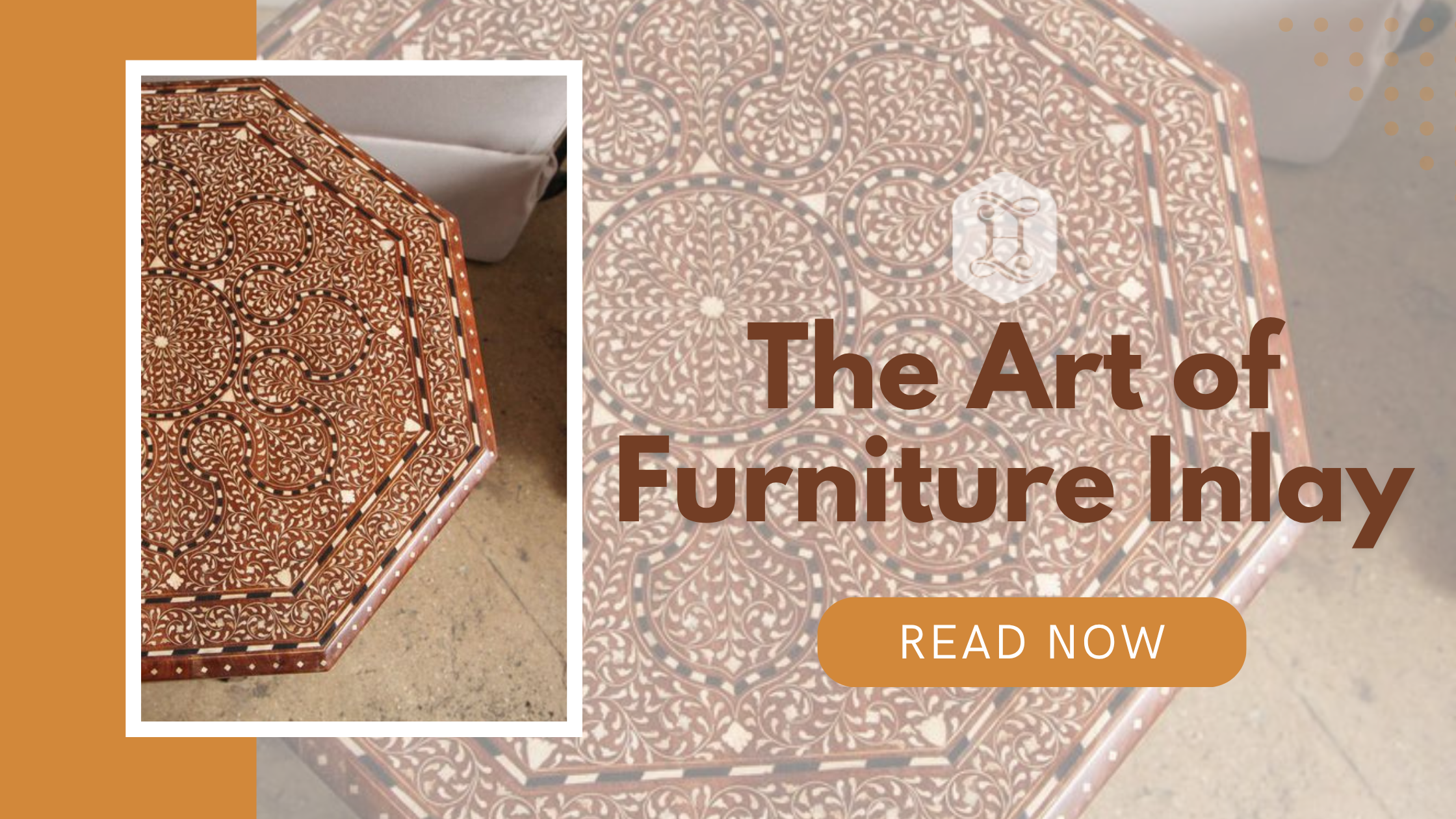
Run your fingers across an old cabinet and you may feel something unexpected: a thin line of brass, a tiny shimmer of shell, a flower made from stone, all sitting perfectly flush with the wood. Nothing is carved on top of the surface or painted over it. Every piece was cut by hand and set in, one at a time, decades or even centuries ago. That is inlay, and it is the reason some furniture feels less like a household object and more like a work of art.
It is one of the oldest decorative techniques in furniture making, and it adds colour, texture and shine that last for generations. This guide covers the main types of inlay, where each is commonly used, and practical advice for buying and caring for inlaid furniture.
What Is Inlay?
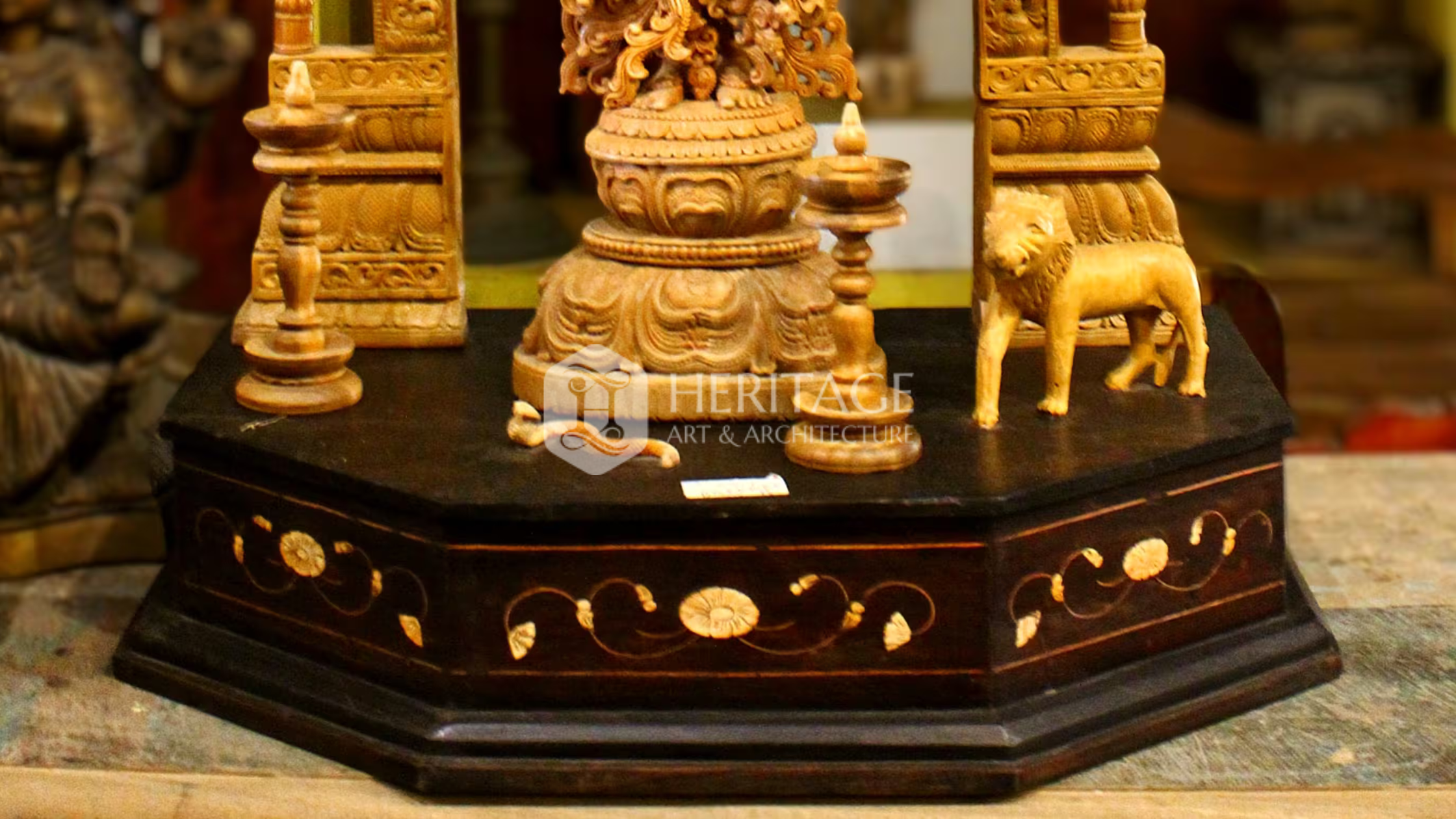
Inlay means embedding one material into another to form a pattern, border or picture. Craftspeople cut shapes from contrasting materials and set them into a carved or routed recess, so the design sits flush with the surface. The base is usually wood, and the inserted pieces can be other woods, shell, bone, metal or stone. The surface is then sanded and polished so the join is almost invisible.
1. Wood Inlay
What it is: Contrasting woods set into a main wooden surface.
How it looks: Light woods against dark ones (or the reverse) form geometric patterns, floral motifs, borders and sometimes small scenes. Each piece varies slightly because natural grain and colour differ from tree to tree.
Commonly found on: Cabinets, tables, chests, doors and decorative panels.
Good to know: It suits furniture where the natural beauty of the wood is the main attraction, and it is generally one of the more affordable inlay styles.
2. Mother-of-Pearl Inlay
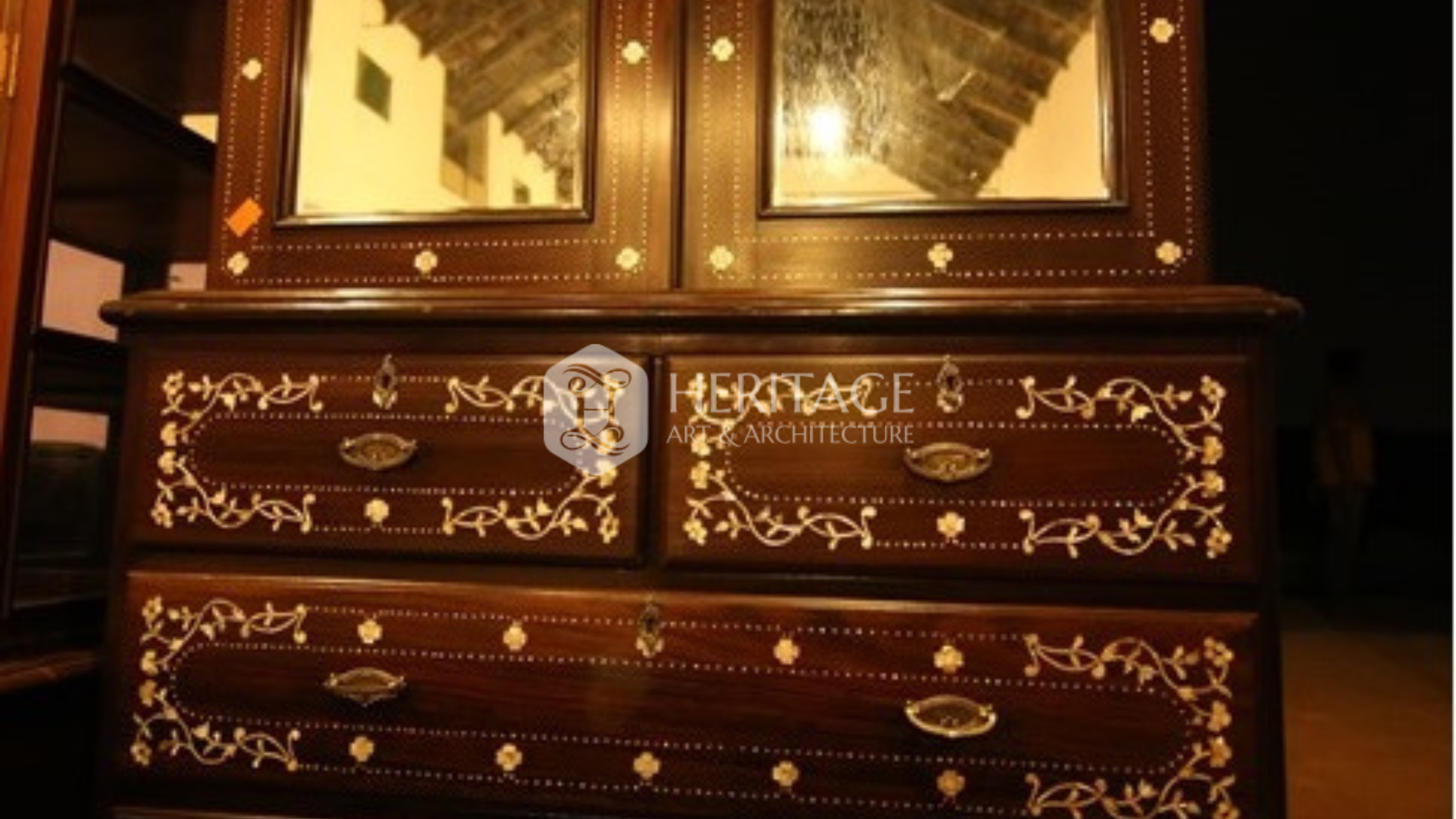
What it is: Pieces of nacre, the iridescent inner layer of certain mollusk shells, cut into small shapes and fitted into carved sections.
How it looks: Depending on the light, it shows shades of white, silver, pink, green and blue. Against dark wood it gives a luxurious, shimmering effect.
Associated with: Ornate furniture from South Asia and the Middle East, typically in floral patterns, stars, geometric designs and borders.
Good to know: The shell is thin and delicate, so avoid sharp impacts and harsh cleaners.
3. Bone and Horn Inlay
What it is: Small, shaped pieces of prepared bone or horn combined with wood. Horn tends to give darker, translucent or naturally varied tones.
How it looks: Bone inlay is popular for repeating geometric patterns and fine detail.
Good to know: Many modern makers use ethically sourced materials or resin and other alternatives that imitate the look. If this matters to you, ask the seller what the inlay is made of.
4. Metal Inlay
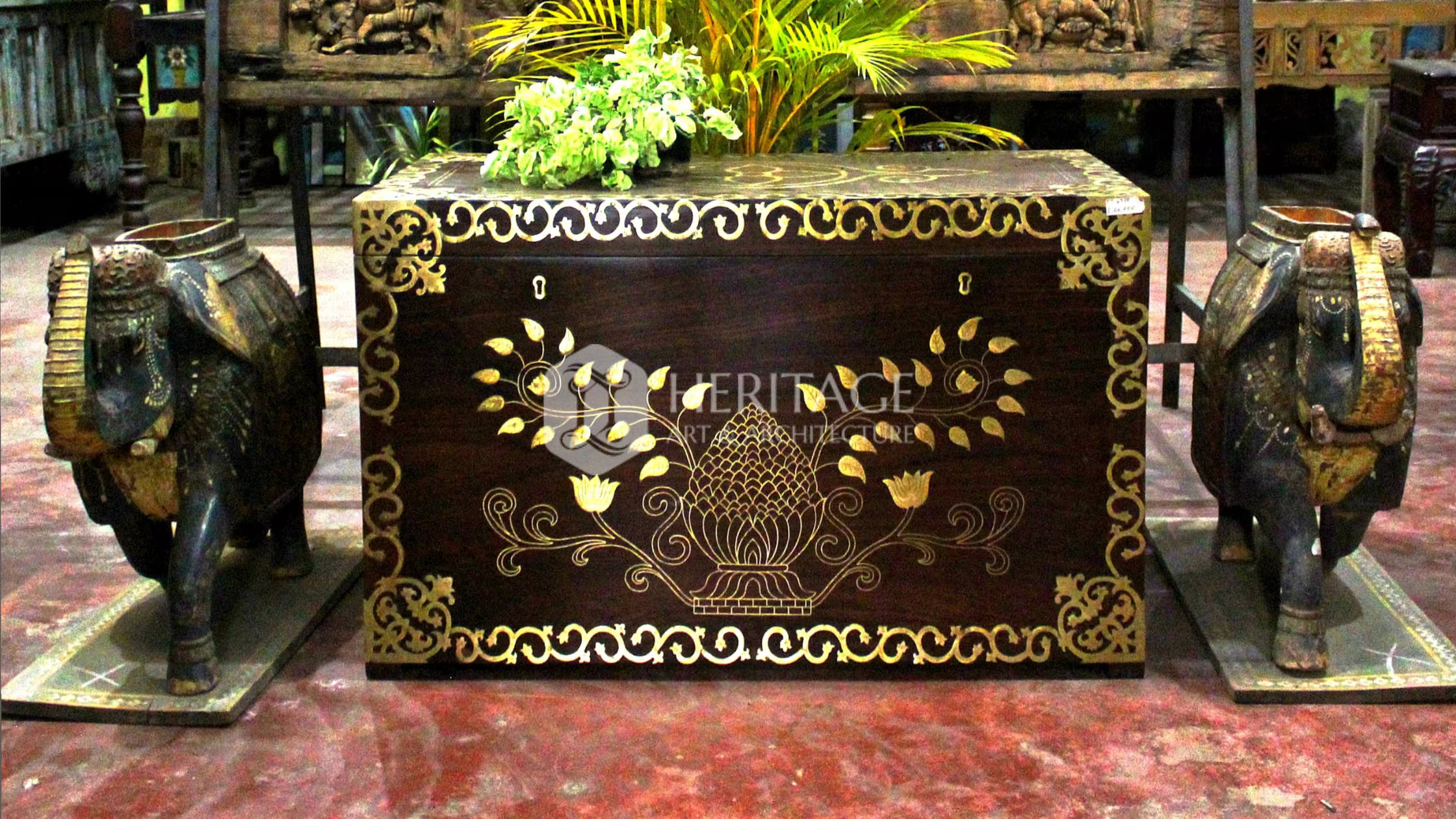
What it is: Brass, copper, silver or other metals set into wood as lines, motifs and borders.
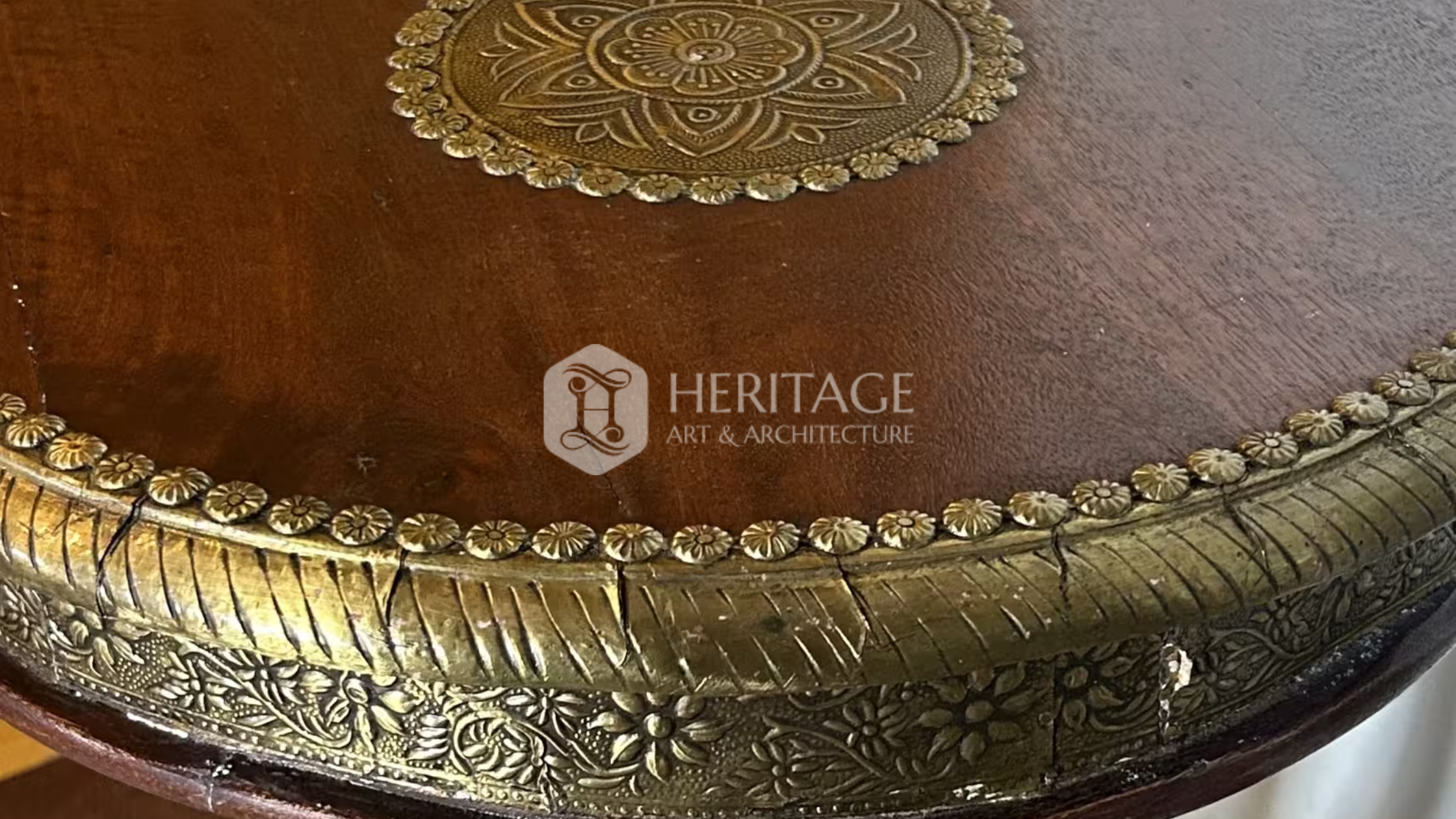
How it looks: Brass is especially popular because its warm golden tone suits both light and dark woods. In some Indian traditions, metal inlay is paired with detailed carving for a richly ornamental surface.
Commonly found on: Tables, cabinets, doors and decorative boxes.
Good to know: Metal can tarnish over time, but it is among the more durable inlay types.
5. Stone and Semi-Precious Stone Inlay
What it is: Marble, turquoise, lapis lazuli and other decorative stones cut precisely and fitted into prepared cavities.
How it looks: Colourful floral and geometric motifs with sharp detail. Indian decorative arts are especially well known for this technique, which is famously seen in Mughal-era architecture.
Good to know: It demands great precision, which makes it a premium option best suited to statement pieces and luxury furniture.
6. Ivory-Style Inlay
Genuine ivory was once used for its smooth texture and pale colour, but trade and use are now heavily restricted or banned in many parts of the world for wildlife conservation reasons. Today’s makers get a similar effect from resin, acrylic and other responsibly produced materials, which can be shaped into the same intricate patterns.
Important: Never buy furniture claiming to contain real ivory. It may be illegal to own, sell or transport.
7. Marquetry
What it is: A specialised form of inlay that assembles thin pieces of wood, veneer or other materials into pictures and patterns.
How it differs: Simple inlay usually creates linear designs or borders, while marquetry can produce landscapes, floral scenes and detailed compositions across a whole surface.
Heritage: It became especially prominent in European furniture traditions, where skilled artisans used contrasting veneers to build elaborate surfaces.
Quick Comparison
| Type | Look | Typical Cost | Durability |
| Wood | Natural, subtle contrast | Low to medium | High |
| Mother-of-pearl | Shimmering, ornate | Medium to high | Moderate (delicate) |
| Bone/horn (or alternatives) | Geometric, fine detail | Medium | Moderate to high |
| Metal | Warm, bold lines | Medium to high | High |
| Stone | Colourful, highly detailed | High | High |
| Marquetry | Pictorial, artistic | Medium to very high | Depends on veneer quality |
Our Suggestions
How to Choose the Right Inlay
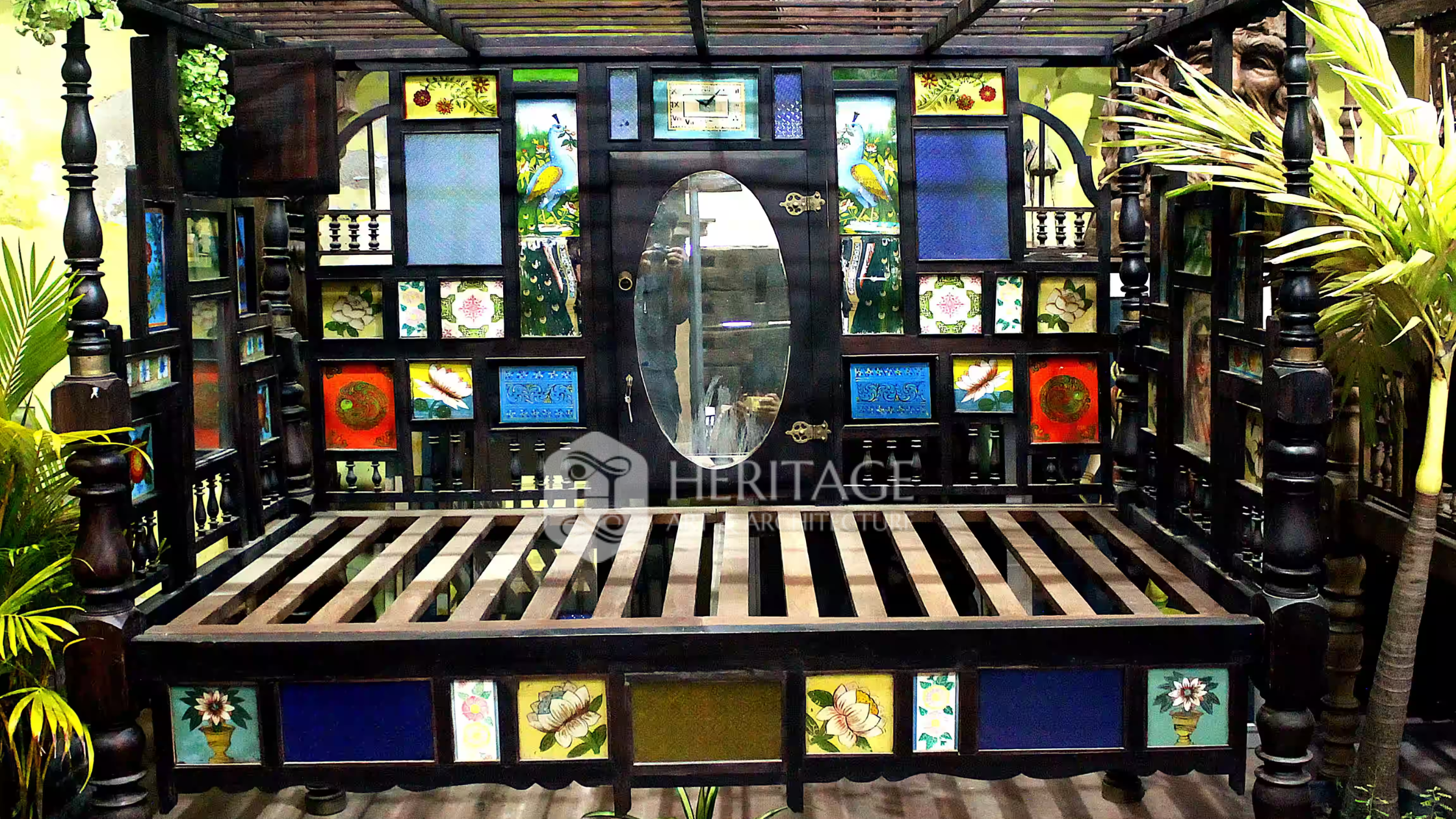
- Match the style to your room. Brass and wood inlay blend easily into modern spaces, while mother-of-pearl and stone inlay work best as focal points.
- Start with one statement piece. A single inlaid console, chest or cabinet draws attention without overwhelming a room. Too many heavily inlaid pieces can feel busy.
- Think about placement. For high-use surfaces like dining tables, wood or metal inlay holds up better than delicate shell. Reserve fragile inlay for cabinets, headboards and decorative chests.
- Contrast is everything. Light inlay on dark wood, or the reverse, gives the pattern clarity.
What to Check Before Buying
- Edges and gaps. Run a finger across the inlay. It should feel flush, with no visible gaps or raised edges.
- Material honesty. Ask whether the inlay is real shell, bone, stone or resin. Reputable sellers will tell you clearly.
- Pattern consistency. Handmade work shows slight variation, but spacing and symmetry should still look deliberate.
- Solid wood base. Inlay on a well-seasoned solid wood base is less likely to crack or lift than inlay on poor-quality board.
- Finish quality. The polish should be even, with no sticky or rough patches around the inlaid areas.
Care and Maintenance Tips
- Dust with a soft, dry cloth. Avoid abrasive pads and sprays.
- Skip harsh chemicals. Strong cleaners can dull shell, stain stone and lift adhesives.
- Avoid water pooling. Wipe spills quickly, and use coasters and mats on inlaid tabletops.
- Keep it away from direct sun and heat. Strong sunlight and radiators can fade wood and cause the inlay to loosen as the wood expands and contracts.
- Use polish sparingly. A good-quality furniture wax once or twice a year is usually enough. Test on a hidden spot first.
- Maintain steady humidity. Sudden swings in humidity are a common cause of cracking.
- Repair early. If a piece lifts or falls out, keep it and consult a furniture restorer rather than gluing it yourself.
Ethical and Practical Considerations
- Prefer makers who are transparent about materials and sourcing.
- Consider alternatives to bone, horn and ivory if you want the look without the ethical concerns.
- Support skilled artisans by buying directly from workshops or trusted craft cooperatives where possible.
The Timeless Appeal of Inlaid Furniture
Inlay represents patience, precision and cultural heritage. Every small piece of wood, metal, shell or stone is chosen, shaped and placed by hand to form a cohesive design. Whether it is the natural contrast of wood, the shimmer of mother-of-pearl, the warmth of brass or the richness of stone, inlay can turn an ordinary piece of furniture into something with a story to tell.
For homeowners who value traditional craftsmanship, an inlaid table, cabinet, chest or chair adds history and character to both classic and contemporary interiors. As trends change, inlay remains relevant because it combines everyday function with real artistry.
To read more blogs, click here: The Art of Mixing Old and New: Using Antiques to Elevate Modern Interiors