Taraka Swivel Arm Chair

/
/
Taraka Swivel Arm Chair

Taraka Swivel Arm Chair

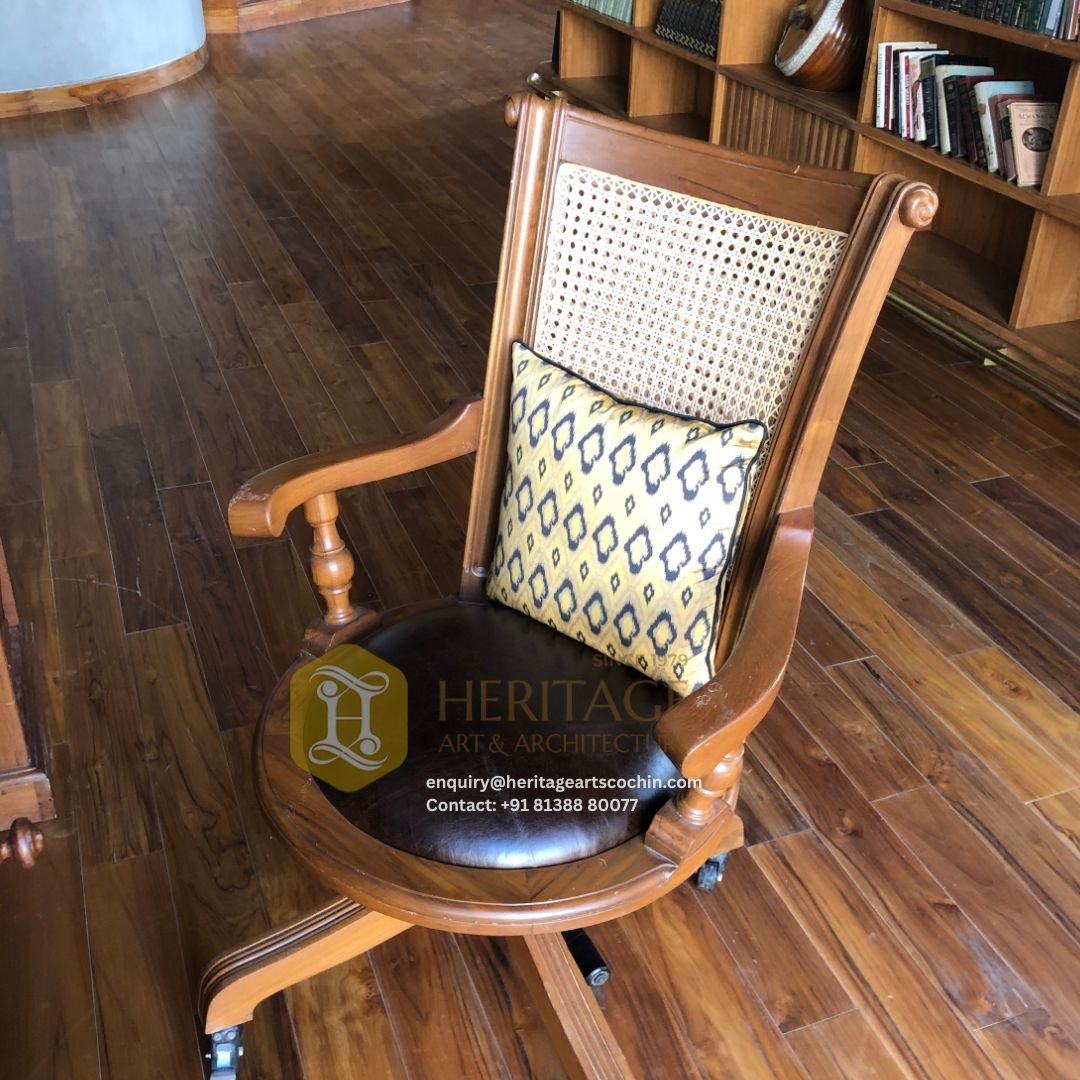
The Tārakā Chair is a symbol of elegant motion and poised leadership — a traditional wooden swivel chair that blends cultural depth with modern utility. Named after the guiding star, it evokes clarity, grace, and direction — making it ideal for spaces where presence and purpose converge.

Description

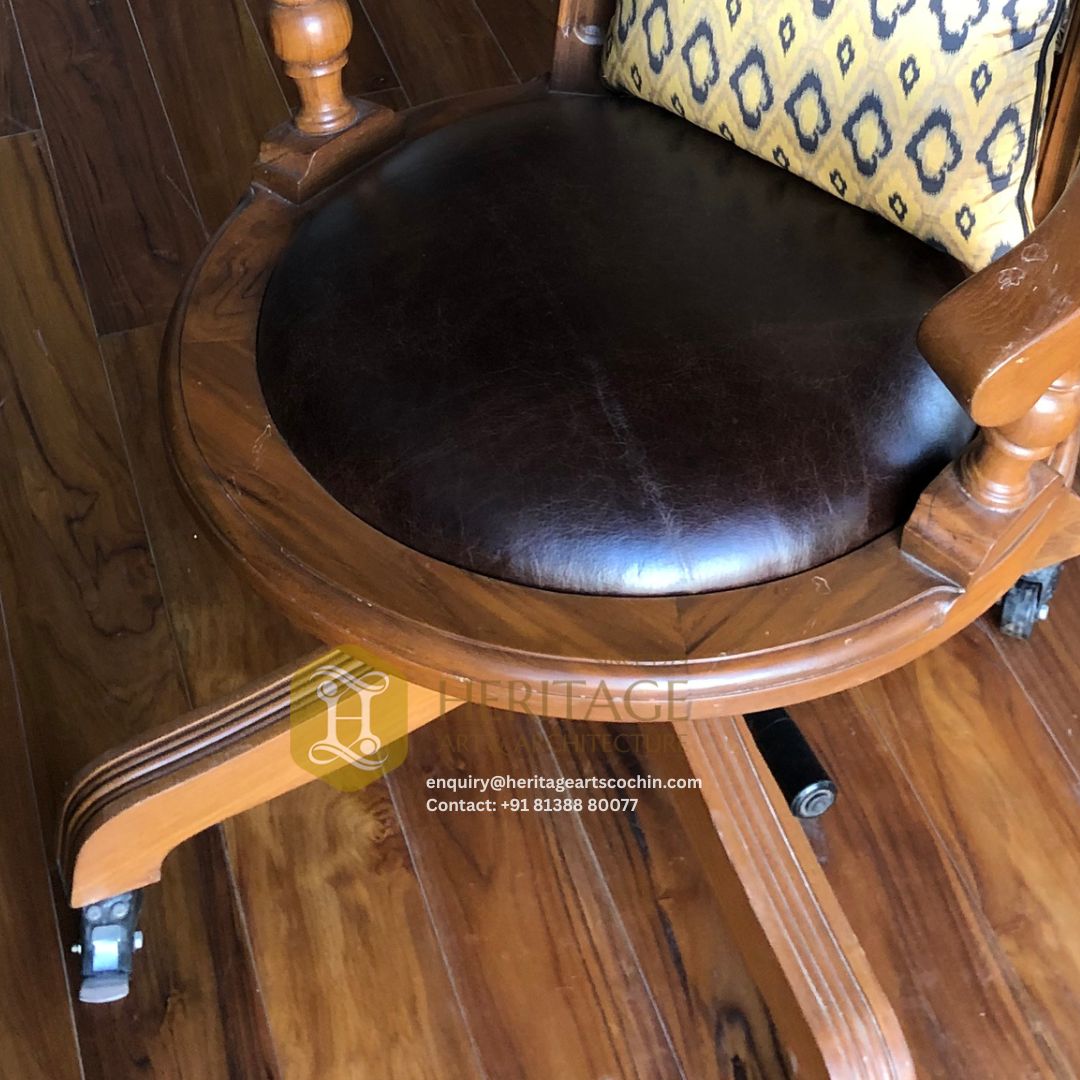
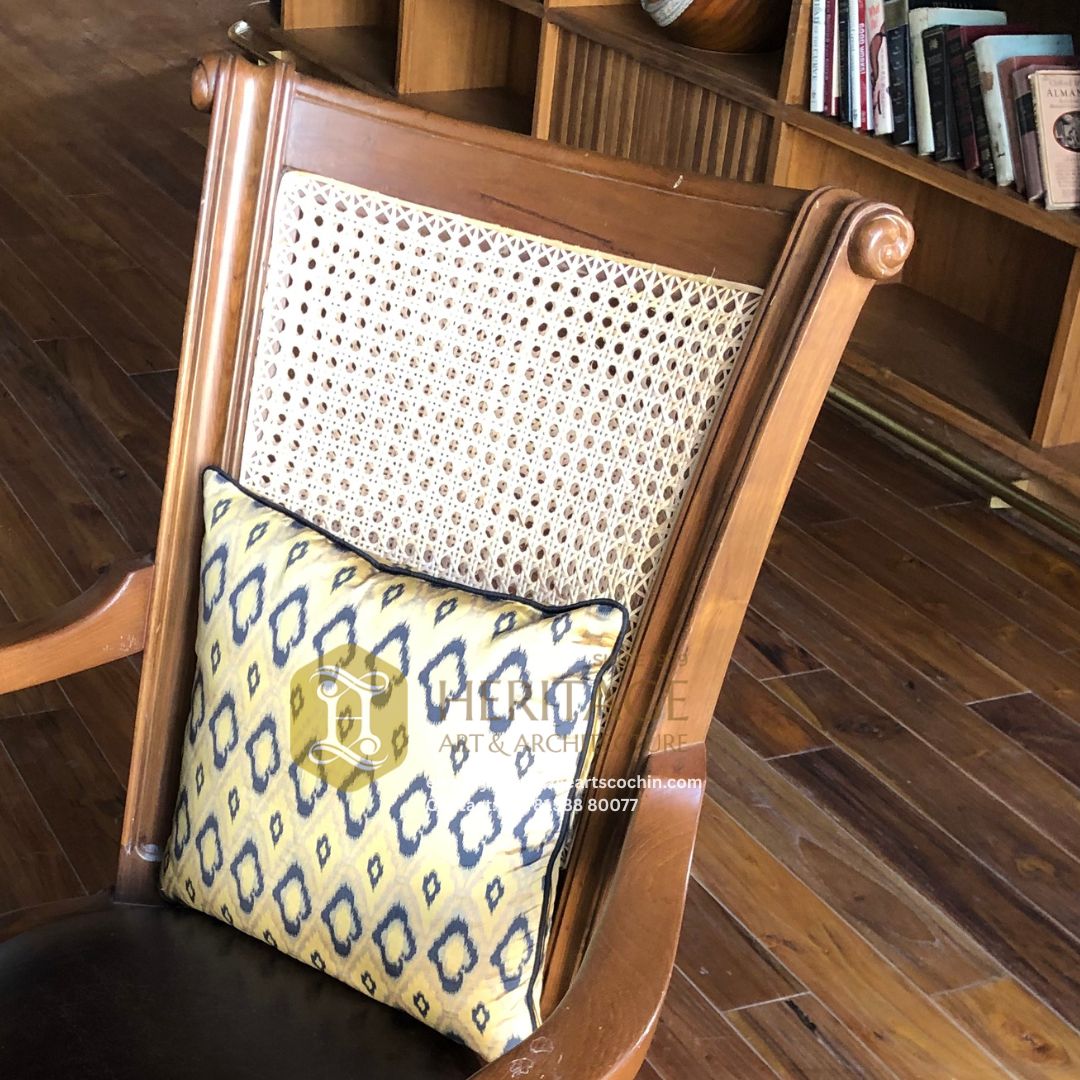
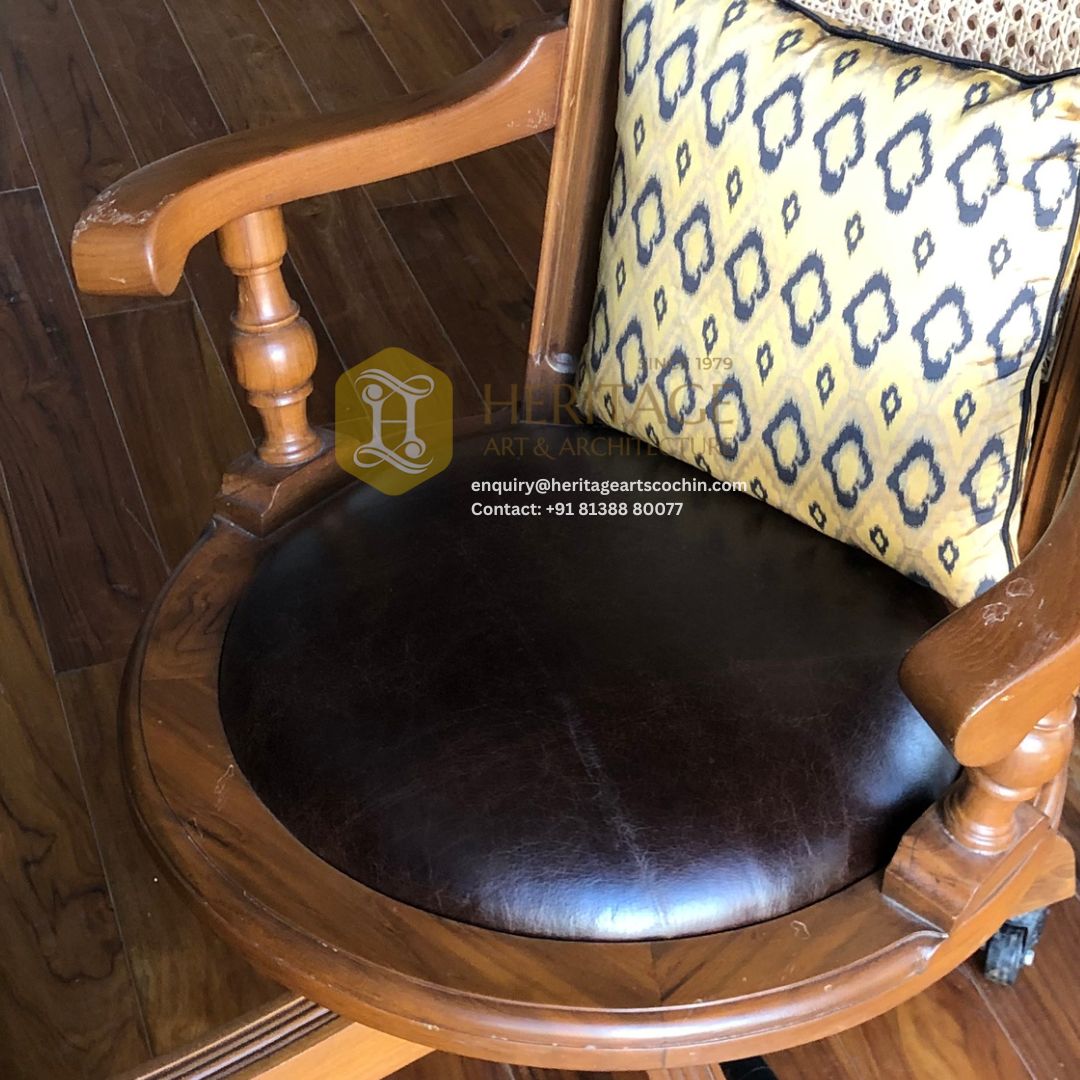
Crafted with a hand-woven cane backrest, turned wooden arms, and a round leather-cushioned seat, Tārakā stands on a four-legged wooden swivel base with smooth castor wheels. Its rotating function adds movement, while its form preserves heritage — perfect for boutique offices, heritage studies, or transitional interiors.

Whether leading a conversation, reading by the window, or attending to thoughtful work, the Tārakā Chair becomes a steady companion — refined, rooted, and ready to turn with you.

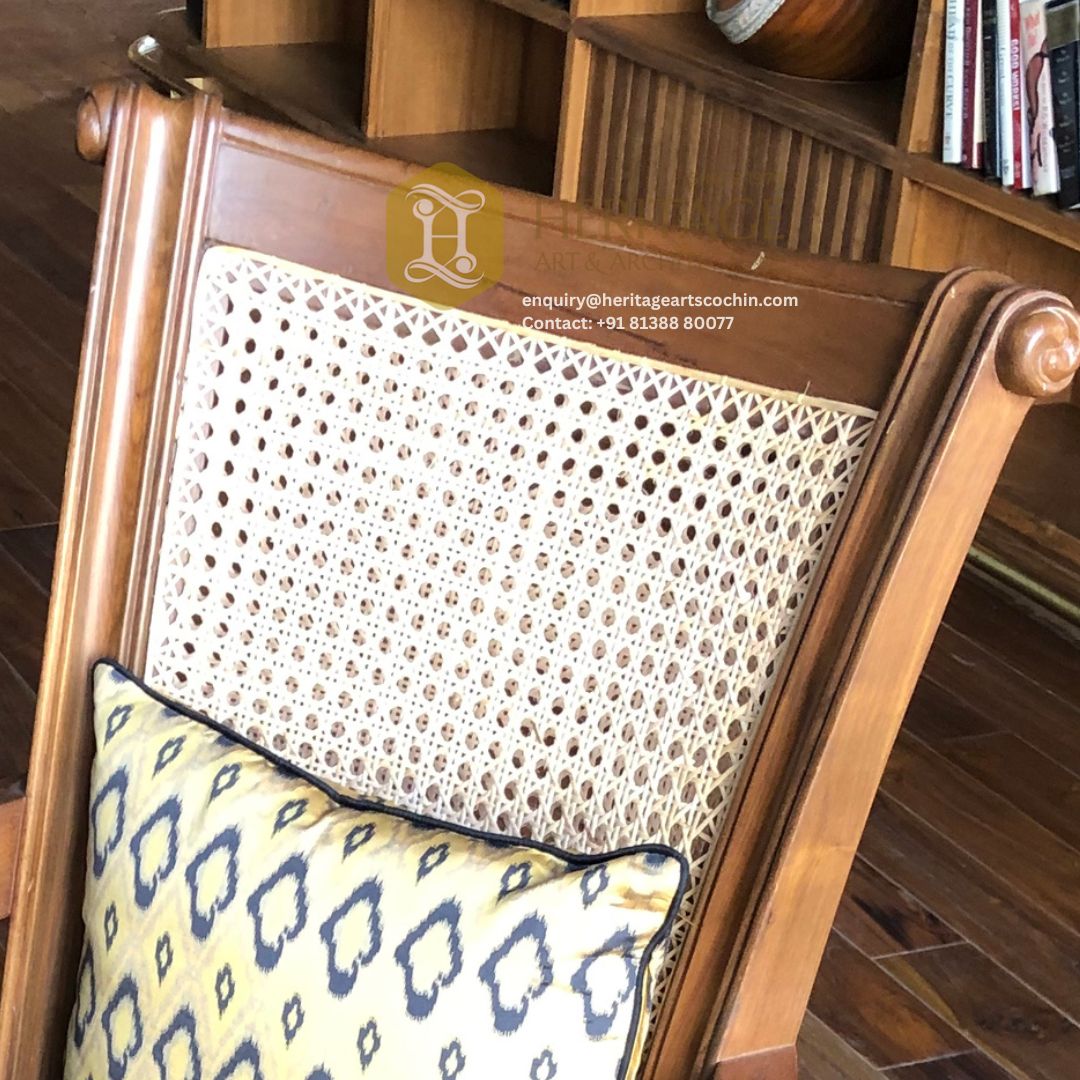
1. Prāṇa (Cane Backrest)

Meaning: “Prāṇa” means breath, life force, or vital energy in Sanskrit.

Definition: The Prāṇa is the hand-woven cane backrest, designed to breathe with you. Its airy weave allows for gentle ventilation and comfort, echoing the lightness and vitality of Kerala craftsmanship. Prāṇa is the element that keeps you cool, supported, and connected to the living tradition of handwork.

2. Vartula (Armrests with Turned Support)

Meaning: “Vartula” means rounded or circular in Sanskrit, referencing the elegant curves and turned supports.

Definition: The Vartula are the gracefully curved wooden arms, each resting on a turned pillar. Their classic form is inspired by the scrolls and supports seen in royal halls, offering both comfort and a sense of dignified presence. Vartula is where your hands find rest, and your posture finds poise.

3. Mandara (Cushioned Seat Base)

Meaning: “Mandara” is a mythical mountain in Sanskrit, but also means “center” or “axis,” reflecting the seat’s central, grounding role.

Definition: The Mandara is the circular, leather-cushioned seat that centers the body in comfort. Its plush surface is both durable and inviting, providing a stable foundation for work, conversation, or contemplation. Mandara is the heart of the chair, where comfort and focus meet.

4. Parivarta (Swivel Base with Wheels)

Meaning: “Parivarta” means turning, rotation, or revolution in Sanskrit.

Definition: The Parivarta is the sturdy, four-legged wooden base with smooth castor wheels, allowing the chair to turn and move with ease. It brings a sense of dynamic motion to the chair’s rooted form, ensuring you can pivot gracefully while remaining anchored in tradition. Parivarta is the meeting point of movement and mastery.

Craftsmanship

The Tārakā Chair is handcrafted from premium teakwood using traditional mortise joinery and hand-finishing techniques. The cane back is woven by regional artisans, and the wood is polished to a smooth, natural glow — bringing out its organic grain while ensuring durability and elegance.

Its mobility does not come at the cost of beauty — every element is refined, with both form and function aligned.

Ideal Use:

  • Boutique hotel reception desks
  • Traditional home offices or reading rooms
  • Heritage boardrooms or transitional modern interiors

The Tārakā Chair is the meeting point of movement and mastery — a chair that turns with purpose, while staying rooted in timeless design.
More Products

Established in 1979, we carry a legacy that we proudly unfold in front of you. Here tradition blends with creation, art blends with heritage, and finally, a whole new story is carved out in pure wood exclusively for you. 

Shopping Cart0

Cart

Shopping Cart0

Cart

Description

Crafted with a hand-woven cane backrest, turned wooden arms, and a round leather-cushioned seat, Tārakā stands on a four-legged wooden swivel base with smooth castor wheels. Its rotating function adds movement, while its form preserves heritage — perfect for boutique offices, heritage studies, or transitional interiors.

Whether leading a conversation, reading by the window, or attending to thoughtful work, the Tārakā Chair becomes a steady companion — refined, rooted, and ready to turn with you.

1. Prāṇa (Cane Backrest)

Meaning: “Prāṇa” means breath, life force, or vital energy in Sanskrit.

Definition: The Prāṇa is the hand-woven cane backrest, designed to breathe with you. Its airy weave allows for gentle ventilation and comfort, echoing the lightness and vitality of Kerala craftsmanship. Prāṇa is the element that keeps you cool, supported, and connected to the living tradition of handwork.

2. Vartula (Armrests with Turned Support)

Meaning: “Vartula” means rounded or circular in Sanskrit, referencing the elegant curves and turned supports.

Definition: The Vartula are the gracefully curved wooden arms, each resting on a turned pillar. Their classic form is inspired by the scrolls and supports seen in royal halls, offering both comfort and a sense of dignified presence. Vartula is where your hands find rest, and your posture finds poise.

3. Mandara (Cushioned Seat Base)

Meaning: “Mandara” is a mythical mountain in Sanskrit, but also means “center” or “axis,” reflecting the seat’s central, grounding role.

Definition: The Mandara is the circular, leather-cushioned seat that centers the body in comfort. Its plush surface is both durable and inviting, providing a stable foundation for work, conversation, or contemplation. Mandara is the heart of the chair, where comfort and focus meet.

4. Parivarta (Swivel Base with Wheels)

Meaning: “Parivarta” means turning, rotation, or revolution in Sanskrit.

Definition: The Parivarta is the sturdy, four-legged wooden base with smooth castor wheels, allowing the chair to turn and move with ease. It brings a sense of dynamic motion to the chair’s rooted form, ensuring you can pivot gracefully while remaining anchored in tradition. Parivarta is the meeting point of movement and mastery.

Craftsmanship

The Tārakā Chair is handcrafted from premium teakwood using traditional mortise joinery and hand-finishing techniques. The cane back is woven by regional artisans, and the wood is polished to a smooth, natural glow — bringing out its organic grain while ensuring durability and elegance.

Its mobility does not come at the cost of beauty — every element is refined, with both form and function aligned.

Ideal Use:

  • Boutique hotel reception desks
  • Traditional home offices or reading rooms
  • Heritage boardrooms or transitional modern interiors

The Tārakā Chair is the meeting point of movement and mastery — a chair that turns with purpose, while staying rooted in timeless design.